New course Callegari, some methodologies developed for aerospace applications are now used in the design and construction of boats.
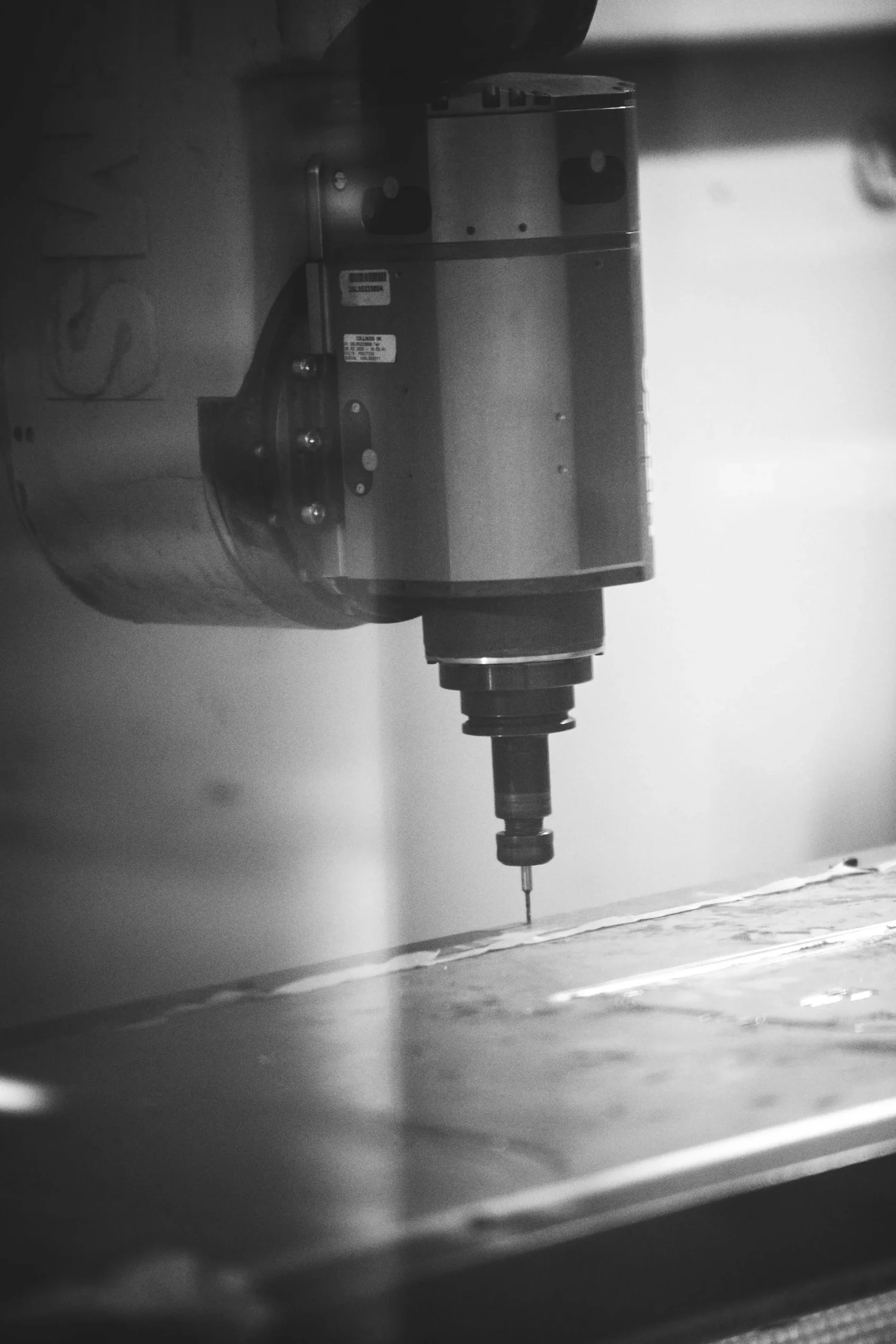
The moulds are made internally through high-precision CNC (Computer Numerical Control) machining and then with computer numerical control machine tools. The structures are developed using advanced composite materials and transformation processes derived from the aerospace industry.
The construction of full carbon structures involves infusion and controlled post-curing processes, with the aim of obtaining laminates characterised by high uniformity, structural rigidity and weight containment.
The assembly also follows different logics compared to traditional boating. Structural bonding uses adhesives developed for aeronautical applications, while each component is subjected to non-destructive checks, thermographic analysis and checks on composite laminates.
The design of the hulls is also supported by advanced CFD (Computational Fluid Dynamics) simulations, used to study the hydrodynamic behaviour of the vessels in the different conditions of use.
During the installation, each unit is monitored through load cells that allow you to constantly check weight, displacement and set-up with respect to the parameters defined in the design phase.
These are not technologies introduced to add complexity, but tools that allow you to more accurately control the entire production process.